

Your body functions as a tightly interconnected web, not a collection of isolated parts. When one organ or system becomes imbalanced, the effects echo throughout the body.
The gut-fertility connection is a powerful illustration of how imbalances in one system can reverberate throughout the body.
When your gut is imbalanced, it can cause inflammation and hormonal and immune imbalances that can sabotage reproductive health for both women and men.
In Functional Medicine, this is known as the gut-fertility axis, a concept that places the digestive system at the heart of reproductive well-being.
When you think of your gut, you may just consider its role in digestion, but the gut is actually a major endocrine and immune hub.
You may already know about the importance of the gut in regard to immune health, but did you know that the gut influences hormone metabolism and nutrient bioavailability, all of which play a key role in supporting ovulation, egg quality, sperm production, and embryo development.
This means that when your gut is compromised, your fertility may decline, as the body struggles to maintain the delicate balance needed for conception.
Whether you are struggling with fertility issues or you just want to work on your preconception health before trying to conceive, taking care of your gut health is fundamental.
By addressing gut issues like dysbiosis, leaky gut, chronic inflammation, and nutrient malabsorption, you’re not just healing digestion; you are supporting a fertile internal environment.
When you balance the gut, it’s not just a digestive strategy; it’s a foundational fertility practice.
What You’ll Learn:
- How gut health impacts fertility
- Key mechanisms behind reproductive disruption
- How inflammation affects egg and sperm quality
- Functional tests to assess root imbalances
- Strategies to restore gut and reproductive health
What is the relationship between gut health and fertility?
Let’s look at four key areas.
1. Gut Microbiome and Hormonal Balance:
The gut microbiome is the diverse community of microorganisms that reside in your intestines. Together, these organisms act as a powerful endocrine organ, influencing the synthesis, metabolism, and circulation of reproductive hormones.
For example, you have something called an “estrobolome,” a subset of gut bacteria that metabolizes estrogen, helping regulate its levels in the body. When you are dealing with dysbiosis (a common condition that is basically an imbalance in gut bacteria), it can disrupt estrogen metabolism, which then potentially leads to estrogen dominance or deficiency, contributing to conditions like polycystic ovary syndrome (PCOS) and endometriosis.
The key takeaway here? You need to balance your gut microbiome to support fertility and preconception health.
2. Inflammation and Immune Modulation
Did you know that roughly 70-80% of the immune system lives in your gut? That means a healthy gut microbiome isn’t just about digestion; consider it a training ground for your immune cells and a control center to regulate inflammation.
When gut health deteriorates, your immune system can get confused, setting off the wrong responses and sparking chronic inflammation. Immune responses can travel all throughout the body, impacting different systems.
Your reproductive system is especially sensitive to this kind of stress, and inflammation can quickly lead to oxidative damage that affects fertility and hormone balance.
3. Nutrient Absorption
The gut is responsible for extracting and synthesizing key nutrients vital for fertility, such as B vitamins, folate, vitamin D, iron, and omega-3 fatty acids.
An imbalanced microbiome or compromised gut lining (as seen in “leaky gut syndrome“) can impair nutrient absorption, leading to deficiencies that negatively impact egg and sperm quality, hormone production, and embryo development.
4. Gut-Brain Axis and Stress
The gut communicates with the brain via the gut-brain axis, influencing stress hormone (cortisol) levels. Chronic stress and poor gut health can elevate cortisol, disrupt reproductive hormone production, and impair ovulation and sperm quality. Managing stress is thus considered vital for both gut and reproductive health.
What happens to the reproductive system when gut health is impaired?

Gut dysbiosis, an imbalance in the composition and function of the gut microbiota, has significant and multifaceted effects on fertility in both women and men.
As we have established, the gut modulates key factors, like nutrition, immune function, and hormonal balance, all of which are intimately connected to the reproductive system.
When gut health is disrupted or thrown out of homeostasis, there are specific and significant consequences for both male and female fertility health.
Female Fertility Impacts
1. Hormonal Disruption
Dysbiosis alters the metabolism of key reproductive hormones, especially estrogen, by affecting the activity of the gut’s “estrobolome.” This can result in hormonal imbalances that disrupt ovulation and overall reproductive health.
2. Oocyte Damage
When your gut bacteria get out of balance, the protective lining of your intestines can start to weaken, making it easier for unwanted substances to “leak” into your bloodstream.
One of these is a toxin from certain bacteria called LPS (lipopolysaccharide). Once LPS gets into your circulation, it can trigger inflammation in surprising places—including your ovaries.
Inside the ovaries, it can harm granulosa cells—the special cells that help nourish and protect your eggs as they grow and mature. Without healthy granulosa cells, egg quality can suffer, which can affect fertility.
This storm of inflammation interferes with how eggs develop, throwing off their ability to mature properly. It can disrupt the egg’s internal structure, causing errors in chromosome division, a key process needed for successful fertilization.
At the same time, it drains the egg’s energy by damaging its mitochondria, the tiny powerhouses responsible for producing ATP, the fuel that keeps the egg functioning. To make matters worse, this inflammatory stress can even trigger early cell death in both the egg and developing embryos, reducing the chances of a healthy conception.
3. Disruption of Follicular Microenvironment
Chronic inflammation from gut dysbiosis can change the delicate environment inside the ovaries as well. The fluid surrounding each developing egg, known as follicular fluid, plays a big role in egg quality. But when inflammation is present, that fluid becomes less supportive and more toxic.
When eggs are exposed to inflammatory toxins (like LPS) during development, their chances of growing into healthy embryos can drop by nearly half. There’s also a big increase in early embryo damage and cell death.
Much of this damage is driven by inflammatory signals, which can throw off how cells manage fats and trigger oxidative stress, a kind of cellular “rust” that harms ovarian tissue.
4. Placental Dysfunction and Embryo Loss
An imbalanced gut can ripple all the way into pregnancy, impacting how the placenta forms and functions. When the gut is inflamed, it releases signals that travel through the body and interfere with healthy placental development.
This can lead to poor oxygen delivery, cellular stress in placental tissue, and problems with blood vessel formation, especially in the areas where nutrients and oxygen are exchanged between mother and baby.
The result? A higher risk of pregnancy complications like miscarriage and conditions that resemble preeclampsia, a dangerous rise in blood pressure during pregnancy.
Male Fertility Impacts
1. Microbiota-Testis Axis:
Scientists have even identified a direct line of communication between the gut and the testes, what’s now being called the microbiota-testis axis. In experimental studies, when researchers transferred unhealthy gut bacteria into otherwise healthy animals, the results were striking: testicular inflammation increased, sperm production dropped, and fertility declined.
This means the gut isn’t just influencing hormones or general health; it’s sending specific signals that directly affect sperm and reproductive function. It’s a powerful reminder that male gut health strongly influences fertility.
2. Weakening of the Blood-Testis Barrier
When the gut is out of balance, it often leads to a steady increase in inflammatory messengers, which spread throughout the body, creating a state of chronic, low-grade inflammation.
For men, this can have serious consequences for fertility. That inflammation can weaken the blood-testis barrier, a protective shield that keeps developing sperm safe from toxins and immune system attacks. Once that barrier is compromised, sperm development suffers, leading to lower quality sperm and reduced sperm count.
3. Oxidative Damage
When toxins like LPS circulate in the body from leaky gut, they activate immune cells, and the body responds by releasing inflammatory messengers and reactive oxygen species (ROS), which are unstable molecules that cause cellular damage. Over time, this systemic stress can reach the testes, where it disrupts the environment needed for healthy sperm development.
Sperm cells are incredibly sensitive. They rely on a stable, low-inflammation setting to grow properly and mature. But when inflammation and oxidative stress build up, it can damage the cells that support sperm growth and harm the DNA inside sperm. The result is poorer sperm quality, reduced motility (sperm movement), and a breakdown of the protective fats in their membranes.
4. Disruption of Testicular Structure
In animal studies, gut imbalance has even been shown to spark local immune responses right inside the testes and epididymis, the key areas where sperm develop and mature. When inflammation is high, immune cells like T cells and macrophages start showing up where they don’t belong, releasing more inflammatory chemicals and disrupting the testicular environment.
This can cause real structural damage, making it harder for sperm to form properly and move the way they need to. The result? Lower sperm counts, weaker motility, and an overall decline in fertility potential.
5. How can functional medicine help?
Supporting fertility through functional medicine means taking a targeted and comprehensive approach that uses advanced diagnostic testing and precision supplementation to uncover hidden imbalances.
Other areas to look into include nutrient deficiencies, mitochondrial dysfunction, and toxic load, all of which can quietly undermine reproductive health. With this data in hand, practitioners can develop a personalized strategy to help restore gut integrity, regulate hormones, and create the optimal internal environment for conception and a healthy pregnancy.
Functional Medicine Testing to help Assess Fertility Health
- Comprehensive Stool Analysis: Evaluates the gut microbiome, identifies pathogenic bacteria, parasites, yeast overgrowth, digestive markers, and assesses inflammation and immune function within the GI tract.
- Intestinal Permeability Test: Measures gut barrier integrity and screens for “leaky gut,” which can contribute to systemic inflammation and reproductive disruption.
- Organic Acids Test: Assesses mitochondrial function, detox capacity, oxidative stress, and certain nutrient deficiencies that affect fertility, egg quality, and sperm development.
- Hormone Metabolite Testing: Provides a detailed view of estrogen metabolism, adrenal function, and overall hormone balance, revealing the impact of gut health on hormonal pathways.
- Nutrient Status Testing: Analyzes levels of critical fertility nutrients such as folate, B12, vitamin D, magnesium, omega-3s, and antioxidants that may be depleted due to gut dysfunction.
- LPS (Lipopolysaccharide) Antibody Testing or Inflammatory Markers: Detects immune activation from bacterial endotoxins like LPS, linked to ovarian and testicular inflammation.
- Food Sensitivity Testing: Identifies immune responses to foods that may be driving gut inflammation and hormonal imbalances.

Heal the gut
The following are a few supplements to consider when healing the gut. These can be chosen based on gut test results.
GI Restore Capsules
- Repairs and strengthens the gut lining. L-glutamine, zinc L-carnosine, and N-acetyl-D-glucosamine provide direct structural and metabolic support to intestinal cells while promoting a healthy inflammatory response.
- Soothes and protects the GI tract. A botanical blend including DGL licorice, aloe vera, marshmallow, and cat’s claw coats the gut lining and supports natural repair processes, helping to restore integrity and function.
- Supports regularity and barrier function. Prune powder and citrus pectin promote healthy bowel movements, while MSM helps maintain the permeability and resilience of GI cell walls.
Probiotics
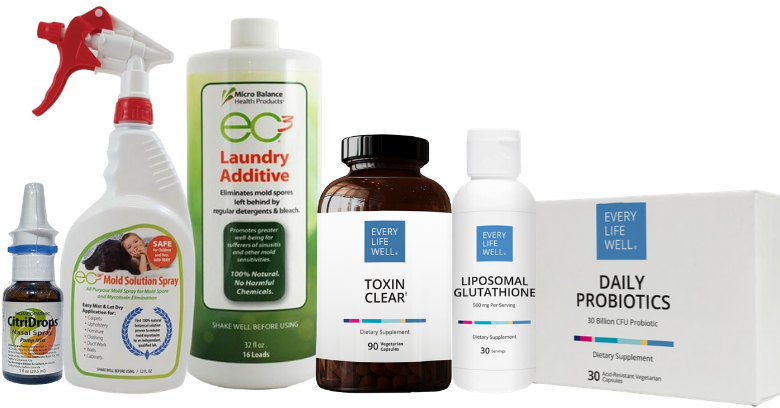
- Supports gut balance and digestive health. With 30 billion CFU per capsule from four research-backed strains, including HN019® Bifidobacterium lactis, this formula helps maintain a healthy gut microbiome and promotes digestive comfort.
- Enhances immune resilience. By reinforcing gut barrier integrity and microbial diversity, these probiotics help support the body’s natural immune defenses.
- Promotes regularity and intestinal function. Designed to survive stomach acid, this daily probiotic encourages healthy bowel movements and consistent elimination.
Support Fertility
In addition to supporting fertility by addressing underlying gut imbalances, you may want to consider building up your nutrients with targeted supplements.
Men’s Wellness + Fertility Force
- Boosts sperm energy and motility. Acetyl L-Carnitine and Alpha Lipoic Acid enhance mitochondrial ATP production, powering sperm movement and function at the cellular level.
- Protects sperm from oxidative and environmental stress. Antioxidants like NAC, ALA, Resveratrol, and EGCG defend sperm DNA and membranes from damage, while broccoli seed extract and NAC support detox pathways for toxin clearance.
- Strengthens immune defenses for reproductive health. Resveratrol and NAC promote immune balance and glutathione production, helping protect sperm from inflammatory and immune-related disruptions.
Women’s Wellness + Fertility Force
- Enhances antioxidant protection. Resveratrol, turmeric, and garlic help reduce oxidative stress, preserving egg quality and cellular health while supporting a balanced inflammatory response.
- Boosts omega-3s for reproductive health. EPA, DHA, and DPA from high-quality fish oil promote hormone balance, support uterine function, and enhance egg quality and fetal brain development.
- Strengthens gut health and microbiome. Turmeric and garlic nourish the gut, optimizing nutrient absorption, hormone metabolism, and immune function—foundational elements for fertility and a healthy pregnancy.
Preconception Probiotics
- Supports a healthy vaginal microbiome. Clinically studied strains Lactobacillus rhamnosus GR-1 and Lactobacillus reuteri RC-14 promote a balanced vaginal pH and help protect against microbial imbalances.
- Enhances urogenital and reproductive health. By maintaining a stable vaginal ecosystem, this formula creates an optimal environment for conception and supports overall fertility readiness.
- Strengthens gut-immune connection. These probiotics also benefit gut health, aiding nutrient absorption and hormonal regulation—key factors in preconception wellness.
Preconception Detox
- Eliminates fertility-disrupting toxins. Targets and binds heavy metals, endocrine disruptors, and environmental pollutants that can interfere with hormone balance and reproductive health.
- Supports gut healing and microbial balance. Helps reduce inflammation and restore the gut lining, creating a more resilient and absorption-friendly environment for fertility.
- Optimizes detox pathways for preconception. Eases the toxic burden on the immune and endocrine systems, preparing the body for a healthier conception and pregnancy.
How to Prevent Further Damage with a Low-Inflammatory Diet

A low-inflammatory fertility diet is one of the most foundational steps in restoring gut health and protecting reproductive function.
Modern processed foods, rich in refined sugars, inflammatory fats, additives, and artificial ingredients, can disrupt the delicate balance of the gut microbiome and promote chronic inflammation.
These disruptions compromise the integrity of the gut lining, impair nutrient absorption, and trigger immune reactions that ripple throughout the body, including the reproductive system. For anyone preparing for conception, reducing dietary inflammation is key to restoring homeostasis and supporting hormonal balance, ovulation, and healthy egg and sperm development.
This kind of diet emphasizes whole, nutrient-dense foods that soothe inflammation and support gut repair. Think colorful, antioxidant-rich organic fruits and vegetables, high-quality, grass-fed organic proteins, and omega-3 fats from low mercury wild-caught fish.
Equally important is eliminating inflammatory foods such as gluten, dairy, sugar, alcohol, and industrial seed oils, which can provoke inflammation.
Over time, this approach not only calms the gut but also lays the groundwork for improved fertility by improving the internal environment where hormones, eggs, and sperm are produced and nurtured.
References
- THE IMPACT OF THE GUT MICROBIOME ON MALE INFERTILITY
- The emerging role of the gut-testis axis in male reproductive health and infertility
- Gut microbiota is involved in male reproductive function: a review
- The potential influence and intervention measures of gut microbiota on sperm: it is time to focus on testis-gut microbiota axis
- Microbial Dysbiosis and Male Infertility: Understanding the Impact and Exploring Therapeutic Interventions
- Male infertility and the human microbiome
- Gut Microbiota Dysbiosis, Oxidative Stress, Inflammation, and Epigenetic Alterations in Metabolic Diseases
- Dysbiosis
- From Gut to Hormones: Unraveling the Role of Gut Microbiota in (Phyto)Estrogen Modulation in Health and Disease
- Gut microbiota-gonadal axis: the impact of gut microbiota on reproductive functions
- The impact of the gut microbiota on the reproductive and metabolic endocrine system
- The gut microbiota: emerging biomarkers and potential treatments for infertility-related diseases
- Human genital tracts microbiota: dysbiosis crucial for infertility
- Bisphenol S impairs oocyte quality by inducing gut microbiota dysbiosis
- Inflammation during oocyte maturation reduces developmental competence and increases apoptosis in blastocysts†