
Why Choose a Low-Histamine Meal?
Histamine is an amine—an organic compound naturally found in many foods and living organisms, including plants and bacteria.
Your body also produces histamine as an important signaling chemical. It supports immune defense, digestion, brain function, and the body’s response when an allergen or potential threat is encountered. Histamine itself is not harmful; problems may arise when the body’s total histamine load exceeds its ability to break it down efficiently.
This imbalance is commonly referred to as histamine intolerance.
It may develop when the body produces or absorbs more histamine than it can process, potentially because of reduced activity of histamine-degrading enzymes such as diamine oxidase, or DAO. Gut imbalances, inflammation, alcohol, certain medications, nutrient deficiencies, and other underlying health factors may also influence histamine metabolism.
Histamine intolerance can affect multiple systems in the body, and symptoms vary considerably from person to person.
Commonly reported symptoms include:
- Headaches or migraines
- Facial flushing, itching, hives, or skin rashes
- Runny nose, nasal congestion, or sneezing
- Bloating, abdominal discomfort, nausea, reflux, or diarrhea
- Heart palpitations, dizziness, or changes in blood pressure
- Fatigue, brain fog, or a general feeling of being unwell
Because these symptoms are not specific to histamine intolerance and can overlap with allergies, digestive disorders, and other conditions, it is important to work with a knowledgeable healthcare practitioner to evaluate possible underlying causes.
What Are High-Histamine Foods?
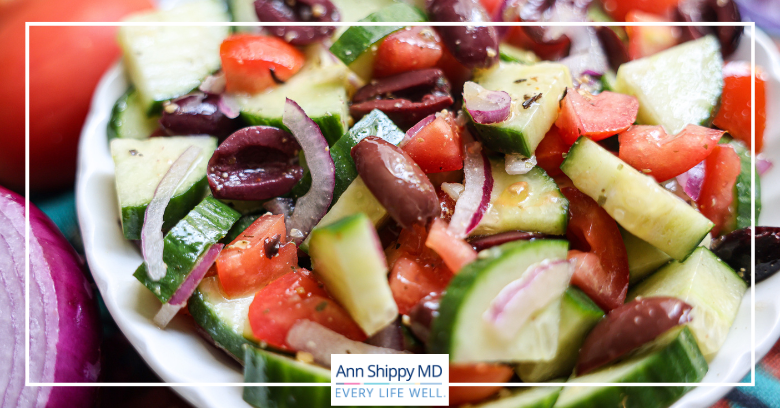
Histamine can form in food as bacteria break down the amino acid histidine. For this reason, foods that are aged, fermented, cured, smoked, canned, or stored for extended periods tend to contain more histamine. Common examples include aged cheeses, fermented vegetables, yogurt and kefir, cured or processed meats, wine and beer, vinegar-containing foods, and canned, smoked, or preserved fish. Some vegetables, including tomatoes, spinach, and eggplant, may also be poorly tolerated by certain individuals.
Histamine levels can also rise in protein-rich foods as they sit after cooking.
This means that even a food that begins relatively low in histamine may become less well-tolerated after several days in the refrigerator. Food lists can vary because histamine content is influenced by freshness, processing, storage, preparation, and individual tolerance.
A low-histamine diet is often used as a symptom-guided strategy for people with suspected histamine intolerance. It may also help some people with mast cell activation syndrome, or MCAS, who notice that histamine-rich foods contribute to their symptoms. MCAS and histamine intolerance are not the same condition, but both may involve symptoms associated with an increased histamine burden.
The goal is not necessarily to avoid histamine-containing foods forever. Instead, reducing dietary histamine for a period of time may help calm symptoms, identify individual triggers, and create space to address possible root causes such as gut imbalances, infections, inflammation, nutrient deficiencies, or impaired histamine breakdown. Foods can then be carefully reintroduced according to individual tolerance.
Freshness is especially important. Choosing fresh ingredients, preparing meals simply, eating them soon after cooking, and immediately freezing extra portions rather than storing them in the refrigerator for several days may help reduce dietary histamine exposure.

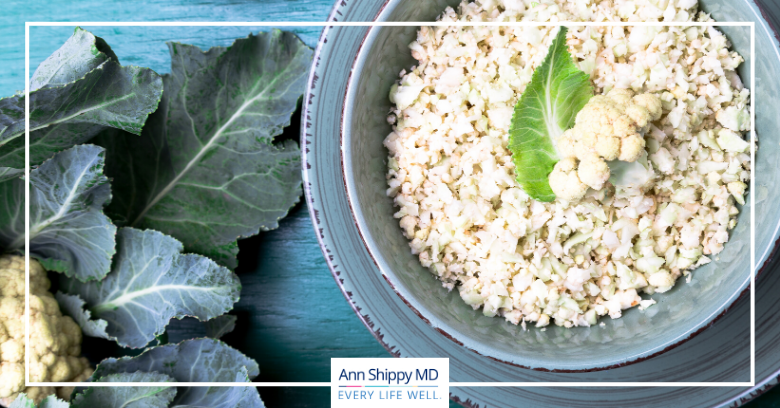
This Low-Histamine Paleo Herb Chicken Bowl is made with freshly prepared pasture-raised chicken, organic cauliflower rice, zucchini, carrots, olive oil, and herbs. It avoids many common higher-histamine ingredients while providing a simple, nutrient-dense, and satisfying meal. Because histamine tolerance is highly individual, always adjust ingredients based on your own response.
Histamine and Fertility
Histamine plays an important role in reproductive health. In the right balance, it helps support ovarian blood flow, ovulation, implantation, and immune communication between the mother and developing embryo. Mast cells, which store and release histamine, are also naturally present in the ovaries and uterus.
Problems may arise when mast cells are overly activated or the body cannot break down histamine efficiently. This can contribute to inflammation and immune dysregulation that may affect the reproductive environment. Histamine and mast-cell imbalances are also being studied in connection with endometriosis, implantation challenges, and recurrent pregnancy loss.
Hormones can influence this process as well. Estrogen may stimulate histamine release, which may help explain why some women notice symptoms worsening around ovulation, before their period, during fertility treatments, or during pregnancy.
If you regularly experience symptoms such as headaches, flushing, hives, congestion, digestive discomfort, dizziness, or heart palpitations after eating higher-histamine foods, it may be worth exploring whether histamine intolerance or mast-cell activation could be one factor contributing to fertility challenges.

RECIPE
Chicken